Like many of you, I'm heading to Amsterdam in a few weeks for IBC Show 2026, and I want to share a sneak peek of one of the most exciting projects we will be talking about there. This isn't about a fancy new Trint feature - it's about defining the future of broadcast workflows.
The IBC Accelerator Smart Stories project is a groundbreaking attempt to create a new open standard for how agentic tools can work together in newsrooms. How do we take the complex, ever-changing concept of what a 'story' is, and make it structured enough to be understood by the complex tech stack of machines that drive a modern news workflow?
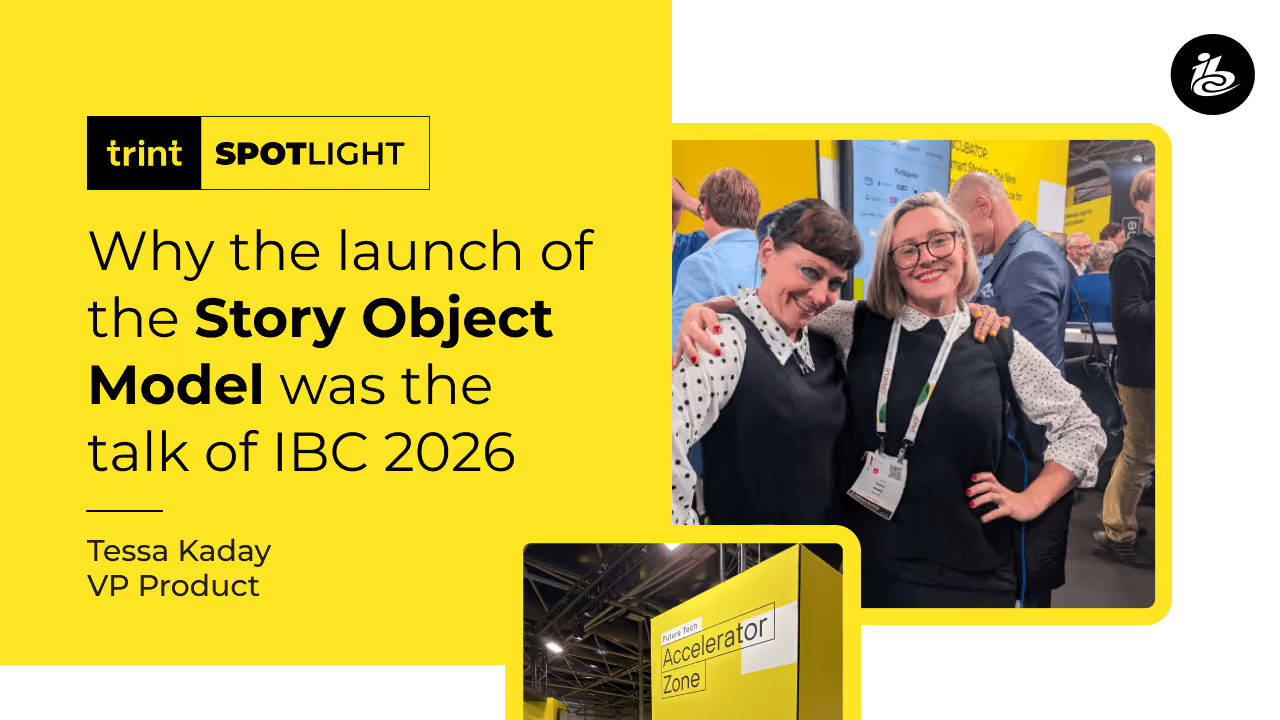
Make sure you head to the IBC Accelerator Zone to see it in action when - Trint's Head of Data Science Alessandro Delfino and I will be joining some of our brilliant collaborators for demos throughout Saturday 12th and Sunday 13th September.
I may be biased, but I think this IBC project may be the one thing people don’t want to miss in the sea of excitement that is #IBC2026. Trint will be joining a roster of renowned broadcasters and media vendors to share the outcome of months of collaboration on a project that could be game-changing for the media industry.
I’m not allowed to let you in on everything just yet - but here are a few details I can share of what we have been working on with leading news organisations like BBC, ITN, NBCU, Reuters and AP (as well as brilliant tech partners like LiveU, Fonn Group, Octopus Newsroom and others).
The project is all about trying to do for the ‘agentic AI’ era what the MOS protocol did for newsrooms in the 1990s – create a common language that lets diverse tech tools work together to deliver real value in news production environments. You’ll get the chance to see some exciting demos with multiple vendors showing how they can work agentically on a live scenario, end-to-end – aiming to show how this could work in real newsroom situations (not just fancy demos), helping to accelerate production and ensure guidelines and human-in-the-loop workflows are maintained.
At the core of this project is a standardised framework for newsroom tools to communicate and interact, using something called the Story Object Model (SOM). It’s all about giving every tool along the whole newsroom production chain the story context and editorial guidelines they need to work together effectively.
The SOM would be a shared open format for that editorial context (as well as a skills architecture that makes things like editorial guidelines machine readable), which would allow multiple different vendors’ tools to work and act against the same story consistently, end-to-end. That becomes extremely powerful in a world of AI agents.
For Trint - this project felt like necessary work. Our industry has been in a constant state of technological transformation for decades, and the latest and biggest of these shifts is AI. As always - as much of a threat as it is an opportunity.
It's essential that we have people passionate about the industry defining the standards on how we use it effectively, and in a way that won’t erode trust. That also means true collaboration between the innovative news brands paving a sustainable and innovative path for the industry as a whole - and the tech vendors working to help power it.
Hear more about the Smart Stories project live on the Future Tech stage at 16:00 on Saturday 12th September, and meet Ale and Tessa on the Accelerator booth throughout the weekend. Watch this space for a full rundown of the panel discussion and the whole IBC weekend after the event.
See you in Amsterdam!