We know from our customers, time is money and making sense of large amounts of unstructured data takes immense time from teams of people. Not only do they have to transcribe and synthesise the data, they then have to go on and read it, analyse it and figure out how to craft the best story from it.
On average, it takes one journalist 1-2 days to analyse hours of interview data to discover emerging themes, common trends and interesting quotes and soundbites to use in their end content. What more could they do with that time freed up?
With Trint’s flagship products, we already reduce this time to craft by automating the transcription, translation and editing process in more than 50 languages and across mobile web and desktop platforms. But there was room for us to do more…
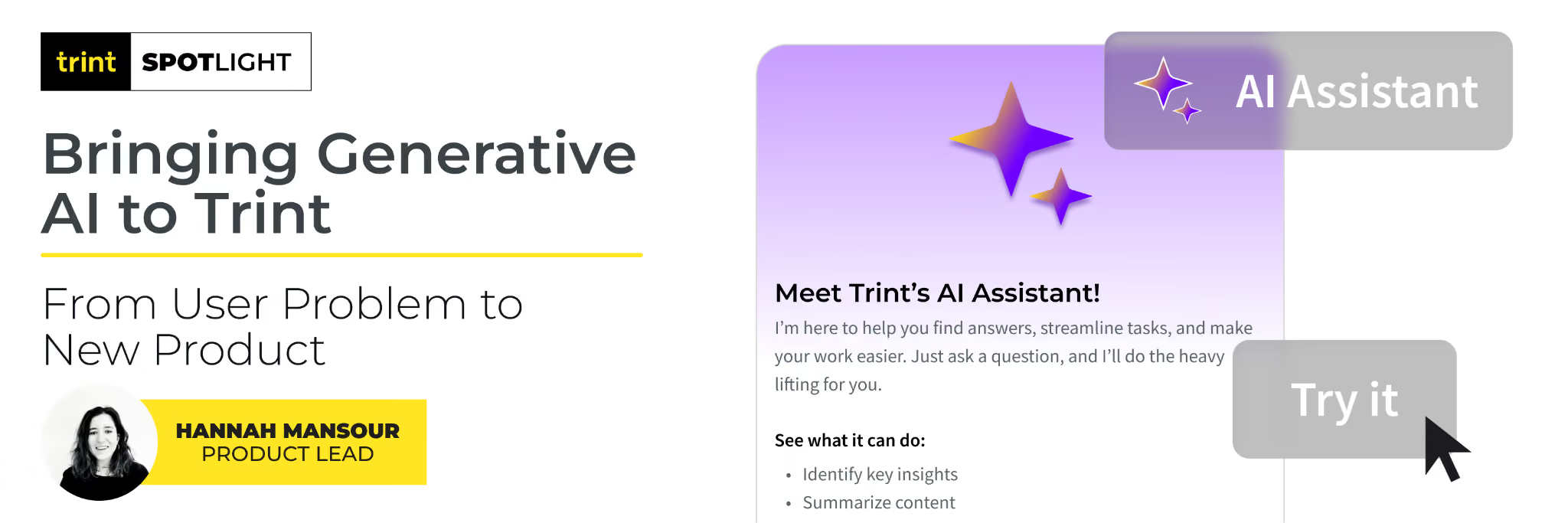
That’s when we introduced the AI Assistant ✨a crafting partner in Trint’s toolkit that was driven by customer need which leverages generative AI to accelerate and enhance workflows within the interface customers already know and love.
We took a user-centric approach to developing this feature, understanding how our users were using AI in their workflows and how Trint fit into it.
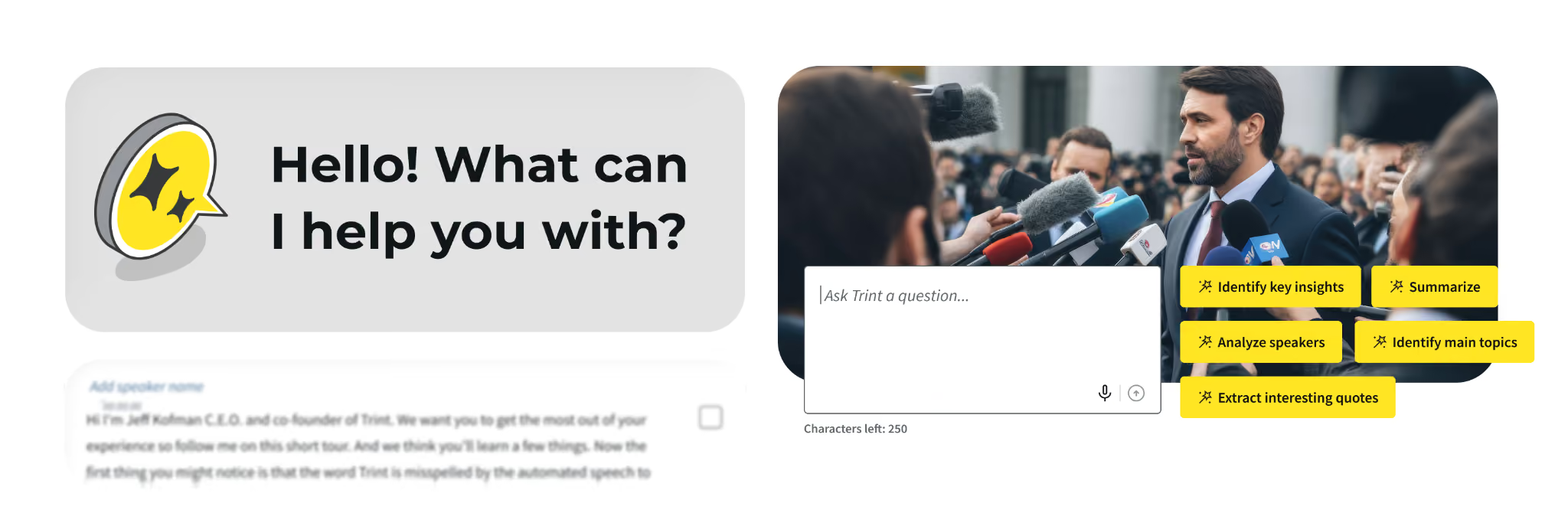
We spoke to multiple users from our key accounts and understood there was an opportunity to experiment in the post transcription editing process, going beyond word analysis, to stitch insights with raw media and transcription to speed up this part of the process. We were able to ship a simple functional MVP, reusing old components, to help us learn what users might need from an AI Assistant in Trint in time for the IBC conference and speak to booth visitors about expectations of gen AI.
It was a way for us to collect analytics into the types of queries users would ask and devise an experimentation roadmap for us to explore.
From these data points, a clear, overarching problem emerged:
Users struggle to efficiently discover, pinpoint and transform insights from their raw unstructured content into organised, impactful outputs.
With an opportunity for Trint to help:
I want Trint to intelligently uncover and extract insights from my Organisation’s content and surface them to me and my team in an easy, proactive and secure way.
We looked at the market, at competitors and key generative AI chatbots like Gemini, Claude Code, Chatgpt and others, to understand how brands evolve with AI and continue to bring trust and security to users leveraging these technologies.
In the media industry, security and integrity is always front of mind so we take a human-in-the-loop approach to everything we do.
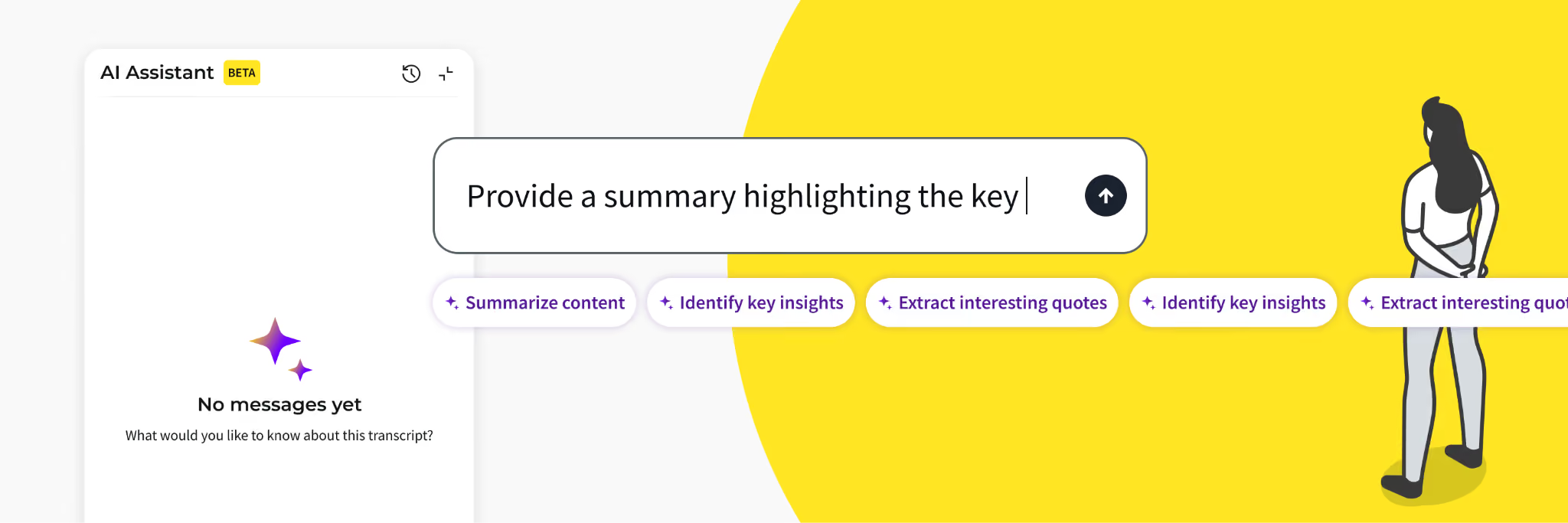
Trint’s AI principles are clear, we always show when AI interactions or output have been generated so users can make sure to verify it before using it in later workflow steps. With all this, we launched Trint’s new AI brand with complimentary brand colours (purple hues) and a design system that would help us easily scale interactive and non-deterministic user experiences as we learn and iterate.
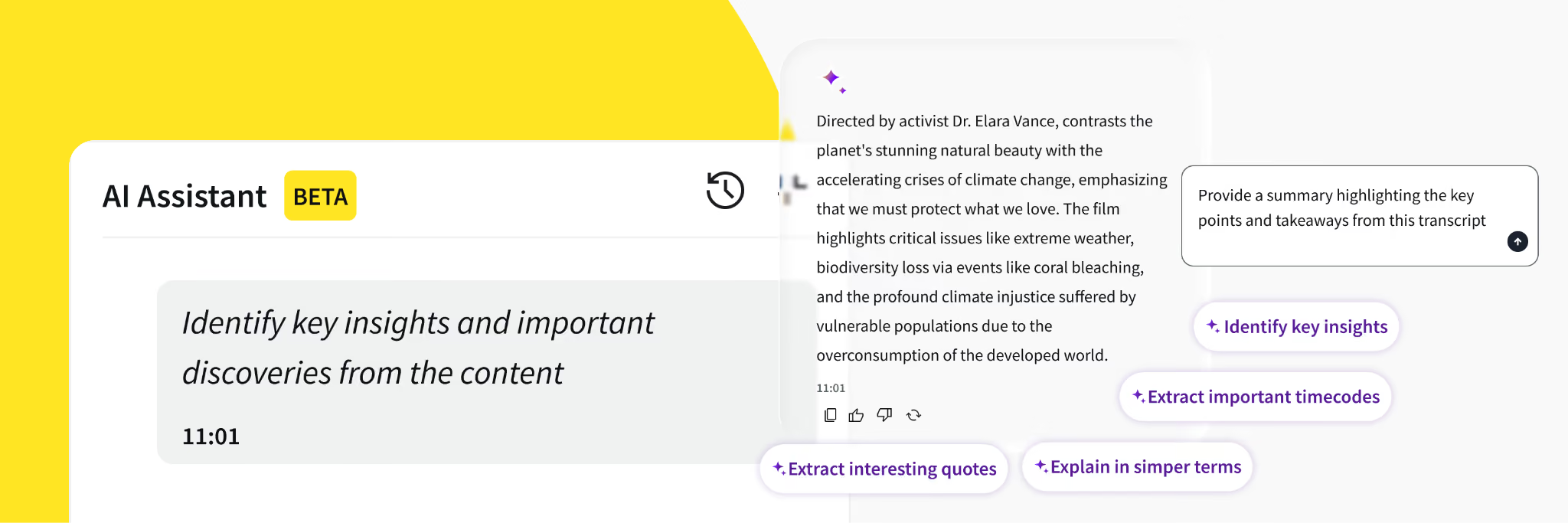
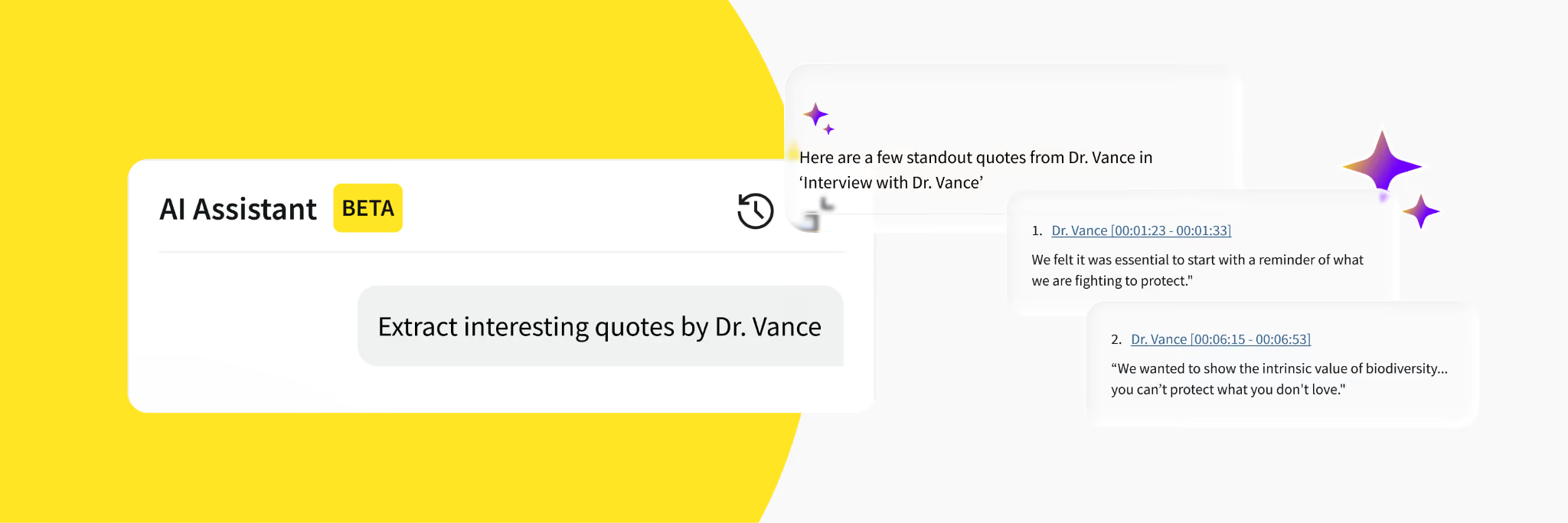
It’s been one of our most used features of 2025 and usage continues to grow as it becomes more powerful and useful, like this quote extraction tool we have just released. Over 5,000 users started 35,000 conversations so far!
Now, users are able to work with the AI Assistant to discover and extract the best quotes / soundbites and navigate quickly to highlight them, add them to Story or add a comment to ask a colleague to verify in a single click!
We’ve learnt so much in 2025 and we’re excited for what comes next in 2026. Stay tuned for AI-powered first drafts, leading with AI to accelerate content creation by producing your first draft in minutes.